
Hidden hunger refers to deficiency of vitamins and minerals in the diet, even when people eat enough calories. It affects a large part of the world's population, and it is one of the least visible forms of malnutrition. Soil is one of the starting points for these deficiencies, because the nutrients a crop takes up depend on what is in the soil, and the crop is the main route by which those nutrients reach the diet.
The link is not simple. The nutrient content of a food depends on the crop variety, the soil, the climate, the fertilizer, and how the food is processed and stored. A crop grown on a deficient soil may contain less of a given mineral, but the amount depends on many factors. The purpose of this article is to explain the link clearly, so that growers and the industry can discuss it with accurate information.
The soil-crop-food link
Zinc, iron and iodine, among others, vary in soil and in crops. Where soils are low in zinc, cereals grown on them often contain less zinc, and the same applies to other crops. Those crops are a main part of the diet in many regions, so the link between the soil and the person is direct. Iodine works differently, because it is largely supplied through the environment and through salt, but soil and water still shape the supply in many areas.
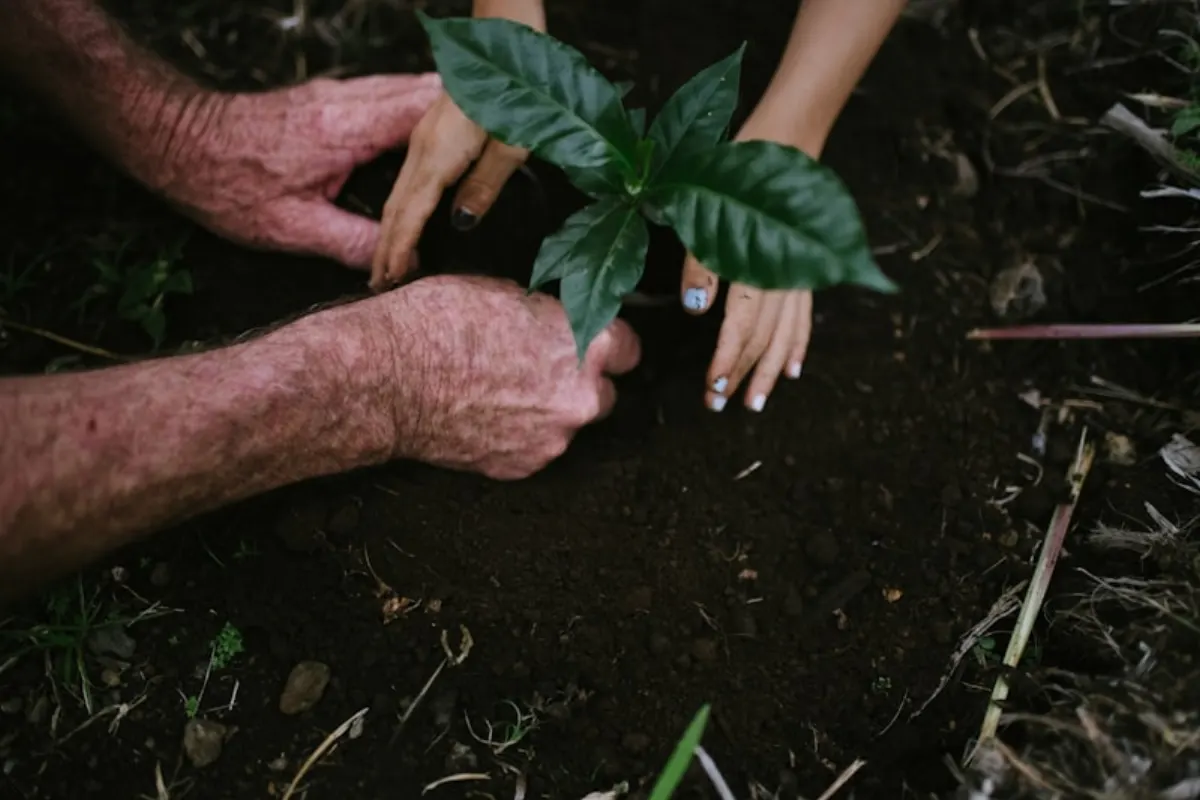
Phosphorus, selenium and some vitamins are also affected by soil and crop conditions. Their levels in food are shaped by the fertilizer, the soil chemistry and the variety. The aim is not to reduce every food to its soil origin, but to recognise that soil management is one of several levers that can improve the nutrient content of food.
What farming practice can do
- Test soils for micronutrients where deficiency is suspected, using the methods recommended for the region.
- Use appropriate micronutrient fertilizers or biofortified varieties where the local evidence supports them.
- Protect soil organic matter and soil biology, which help make nutrients available to crops.
- Avoid large losses of nutrients from the field, so the crop has what it needs to take up and store the nutrients in the harvest.
Biofortification, which means breeding crop varieties that accumulate more of a nutrient, is one approach that works alongside soil management. The varieties still need the nutrient in the soil to express their potential, so the two approaches complement each other. Agronomists and breeders increasingly work together on this.
A role for growers and industry
Growers, distributors and the fertilizer industry can support this by providing soil testing, clear recommendations and products that correct real deficiencies. A grower who knows that the soil is short of zinc can correct it, and that correction may improve both yield and the zinc content of the harvest. The benefit is strongest where the soil test shows the deficiency clearly.
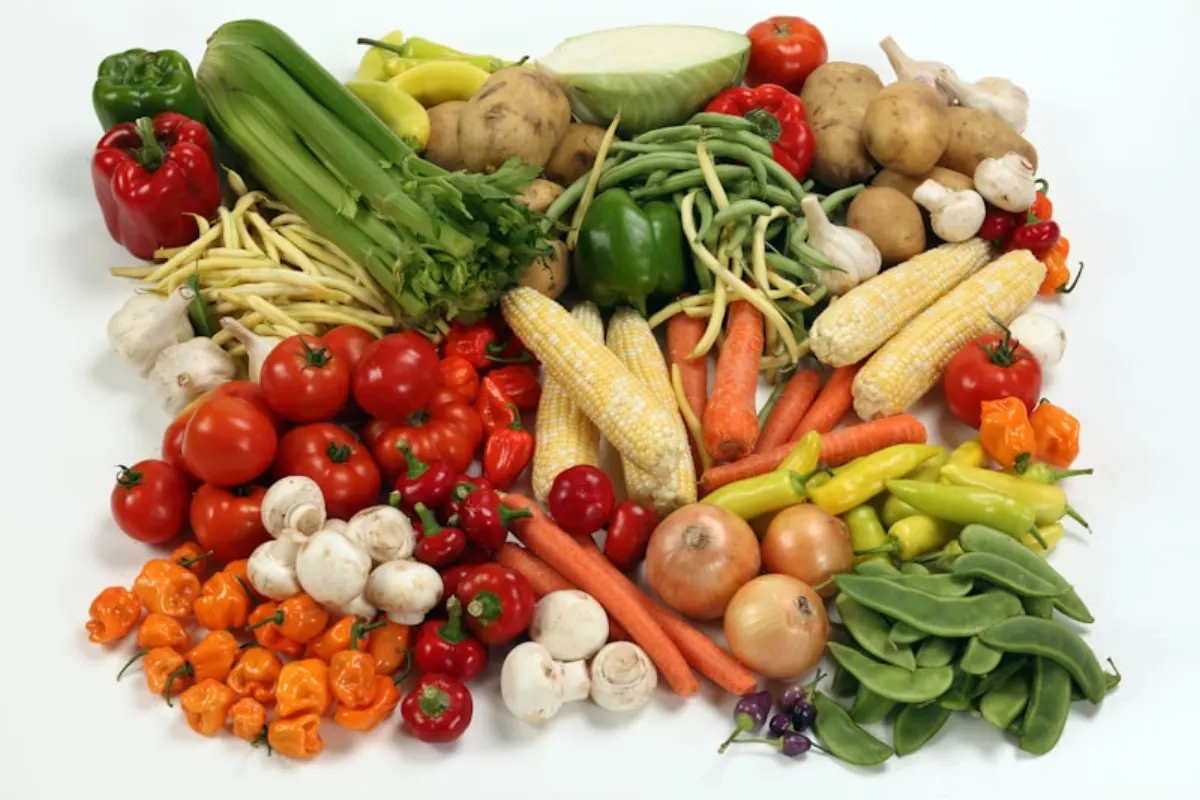
Claims about food nutrient content should always be backed by current, peer-reviewed data, and they should be specific about the crop, the region and the condition. A general claim that a fertilizer improves human health is not supported by the evidence, and such claims damage trust in the industry. Clear, honest communication is the only sound basis for the discussion.
What the industry can do
Industry bodies can share the evidence, support the research that links soil management to food composition, and help growers access testing. Companies can publish trial data, offer training to distributors, and make sure that marketing is consistent with the evidence. These steps build a shared understanding of the problem and of the solutions.
Working with communities
Changes in soil management reach people through communities, markets and families. Extension services, cooperatives and local groups can help growers understand soil testing, nutrient management and the link to food quality. Programmes that involve local people from the start are more likely to be adopted and to last.
Access matters as much as knowledge. A grower who understands the problem but cannot afford the correction will not act on it. Credit, input supply and fair prices for the harvest help growers make the investments that improve soil and food quality.
Measuring progress over time
Progress against hidden hunger is measured in years, not seasons. A grower or a programme should set a baseline with soil and crop data, then repeat the measurements on the same fields at the same stage. The change in the nutrient content of the harvest and in the soil test can then be compared with the baseline and with the practices introduced.
Report progress honestly, including the seasons where the result was disappointing. A programme that shows a steady improvement with the data to support it builds credibility, while one that reports only the best year or the most favourable measure does not.
Where the gaps are largest
Micronutrient gaps are not spread evenly. They tend to be largest where soils are old, highly weathered, heavily cropped or low in organic matter, and where cereals and root crops make up most of the diet. Mapping these areas helps the industry and the public health community focus effort where it will matter most, and it avoids generalised claims that do not fit the local picture.
The gaps also vary between seasons. A drought or a flood changes the uptake of nutrients and the quality of the harvest, so a one-off survey may not show the true position. Repeated sampling over several seasons gives a more reliable picture, and it shows whether the gap is persistent or occasional.
For a grower, the practical question is whether the local soil supplies enough of the key micronutrients for the crops in the rotation. A soil and tissue test answers that question for the field, and it can be repeated in the same way each year to show whether the situation is improving.
Practical steps for a farm
Start with the soil test for the micronutrients that are known to be short in the region. Choose one or two crops in the rotation, test the harvest for the nutrients of interest, and keep the records together. A small, consistent programme gives more useful information than a large programme that changes every season.
Share the results with the buyers, the cooperative and the extension service. The information helps everyone in the chain understand where the gaps are, and it builds the case for the investments that will close them.
Common questions
Can farming really change the nutrient content of food? Yes, within limits. Soil nutrient supply, crop variety and management all affect the nutrient content of harvested food, though the effect differs for each nutrient and crop. The size of the effect should be measured, not assumed.
What should growers do first? Start with a soil and tissue test for the micronutrients known to be limiting in the region, and follow the local extension advice on correction. Keep the records with the crop and the variety, so that differences in food quality can be traced back to field management.
Where can I find reliable data? Use FAO materials, national food composition databases and peer-reviewed studies. Check that the data applies to the region and crop you are working with, and keep the source with any figure you publish.
- FAO, Soils for nutrition, public materials on soil and human nutrition.
- FAO and WHO, public materials on micronutrient deficiencies and dietary needs.
- Graham, R.D. et al., published work on micronutrient deficiency in soils and the food chain (academic literature).
- Published research on micronutrient content of crops grown on deficient soils.
Recommendations depend on local soil, climate and crop conditions. Follow the product label and local regulations, and consult a qualified agronomist for field decisions.