
Potatoes take up large amounts of potassium, and the tuber is the main sink for it. The timing and form of potassium affect how many tubers form, how large they grow, and their storage and processing quality. A potato crop that is short of potassium in the bulking period produces smaller tubers, lower dry matter and weaker storage, even when the earlier stages look healthy.
Potatoes are also sensitive to nitrogen balance. Too much nitrogen late in the season delays maturity and can reduce tuber quality, while too little early reduces the leaf area that feeds the tubers. The potassium plan and the nitrogen plan should therefore be made together, with the nitrogen ending before the period of rapid tuber bulking.
Potassium source: SOP or MOP
Muriate of potash (MOP, potassium chloride) is common and low cost, and it supplies a large amount of potassium per unit of product. Its chloride, however, can reduce tuber quality and dry matter in some varieties, and it can affect the starch content that matters for processing. Sulphate of potash (SOP, potassium sulphate) supplies potassium without chloride and adds sulphur, which many potato crops need. It is often preferred for quality-sensitive crops, including those grown for processing and fresh-market packing.
The choice between the two depends on the variety, the soil's chloride level and the market. Growers of processing potatoes often choose SOP for its quality benefit, while growers of table potatoes may accept MOP where the chloride risk is low. The cost per unit of potassium is a starting point, but the quality value of the crop should also be considered.
Tuber bulking
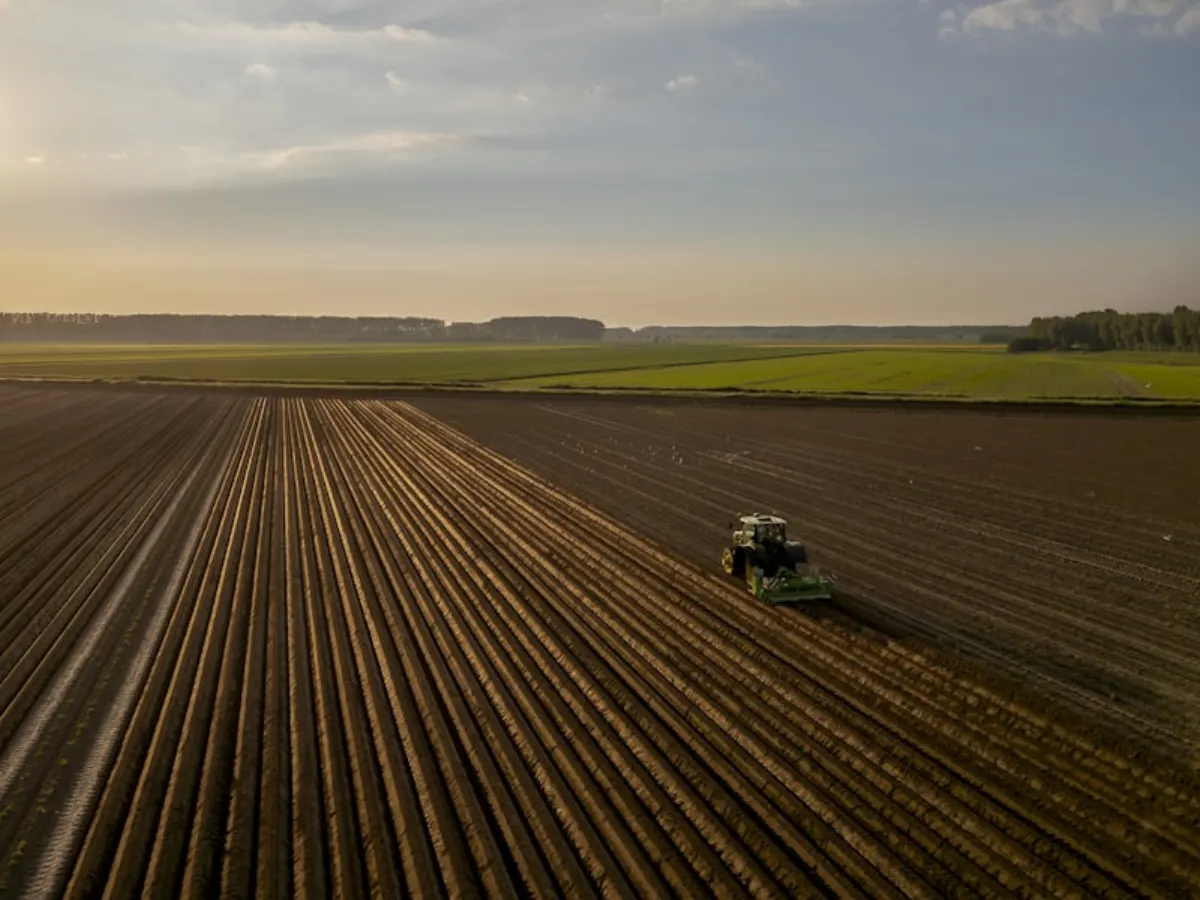
Tuber bulking is the period of rapid growth when potassium demand peaks. It typically begins some weeks after emergence and continues until the vines start to senesce. A steady supply of potassium through this phase supports size and uniformity, and it helps the crop build the dry matter that determines the tuber's quality. Late nitrogen can delay maturity and reduce quality, so the nitrogen plan should end before bulking peaks.
Potassium that is applied too late does not reach the tubers in time, and potassium applied too early may be lost by leaching on sandy soils. A split programme, with part of the potassium before planting and part as a side-dress or fertigation during bulking, often gives the best match. The exact timing depends on the soil, the rainfall and the variety.
Phosphorus and calcium
Phosphorus supports early root and sprout development, and a good starter supply helps the crop establish quickly. Calcium supports tuber skin and internal quality, and calcium shortages can cause hollow heart and internal disorders in some varieties. Calcium is usually supplied through the soil or a gypsum or calcium nitrate application, and its supply should be checked on the soil test.
Monitoring the crop
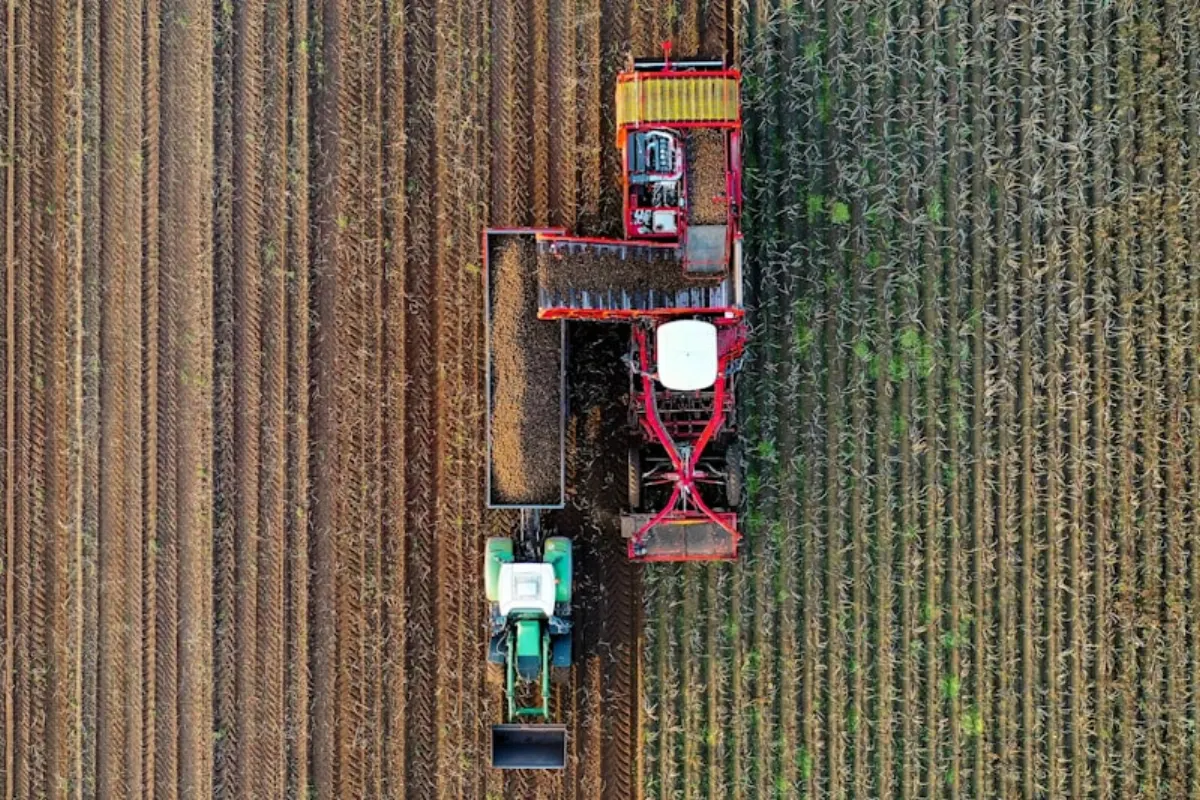
A tissue test taken at mid-season shows whether potassium, nitrogen and calcium are at the right level for the bulking stage. Compare the result with the sufficiency range for the variety, and adjust the rate for the rest of the season if needed. Keep the sampling method consistent, so that the results can be compared between seasons.
At harvest, record the tuber size distribution, the yield and any internal defects. This record links the fertilizer decisions to the value of the crop, and it helps choose the potassium source and timing for the next season. A grower who keeps these records learns quickly which practices give the best return.
Rotation and soil health
Potatoes are often grown in rotation with cereals and other crops, and the rotation affects both disease risk and nutrient balance. Potato cyst nematodes and soil-borne diseases can build up when potatoes are grown too often on the same field, so a rotation of three to four years is common. The nutrient plan should be adjusted for the crop before potatoes, since a preceding legume may leave nitrogen in the soil.
Seed quality and crop establishment
A potato crop is only as good as the seed it is planted from. Certified seed with a known health status gives a more uniform stand and a lower disease risk, and it allows the nutrient plan to work as intended. Seed tubers that are weak or diseased establish slowly, and their roots take up nutrients poorly in the early weeks, so the starter programme cannot make up for a poor seed.
Planting date and soil temperature also matter. A crop planted into cold, wet soil emerges late and takes up nutrients slowly, while a crop planted into warm soil establishes quickly. The grower should plan the starter phosphorus and the early nitrogen around the expected planting conditions, and adjust them if the planting is delayed.
Keep the seed-bed in good condition. A firm, well-drained seed-bed with adequate organic matter gives the tubers room to swell and reduces the risk of misshapen or cracked tubers, which lower the value of the crop regardless of its nutrient status.
Water and potassium uptake
Potassium moves to the root by diffusion through the soil water, so a dry soil slows its delivery even when the soil holds enough of the nutrient. Potato crops grown under irrigation respond well to a steady supply, and a short dry spell during bulking can reduce tuber size. Irrigation scheduling and potassium supply should be planned together, with the soil moisture checked during the bulking period.
Too much water is also a problem. Waterlogged soils reduce oxygen at the root zone, and potassium uptake falls. Good drainage is part of the nutrition plan for potatoes, and fields with a drainage problem should be fixed before the potassium rate is increased.
Irrigation can also move potassium deeper in the soil on light soils. A large irrigation after a potassium application can carry some of the nutrient below the root zone, so the timing of potassium and irrigation should be coordinated where the soil is light.
Harvest timing and storage
The timing of harvest affects both yield and quality. Digging too early gives immature tubers with thin skins, while digging too late exposes the crop to frost, rot and weather damage. The nutrition programme should be designed so that the crop reaches the right maturity at the planned harvest date, which means ending the nitrogen in time and supplying potassium until the vines begin to die back.
Store the crop under the temperature and humidity conditions for the variety. Potassium and nitrogen balance influence the storage life, so the records from the previous season should be checked when the storage plan is made.
Reviewing the season
At the end of each season, review the potassium and nitrogen plan against the yield, the tuber size, the quality at harvest and the storage results. A short written review, kept with the field records, shows what worked and what should change next time. This is the step that turns a programme into a learning system.
Compare the season's result with the soil test trend and the weather record. A poor result may come from the nutrition plan, but it may also come from a late planting, a wet spell or a pest outbreak, and the review should separate these causes before any change is made.
Common questions
Is chloride always bad for potatoes? Not always, but potatoes are sensitive to chloride in many varieties and soils. Use the variety guidance and the soil chloride level to decide the potassium source.
When should I apply the potassium? Part before planting and part as a side-dress is common on light soils. Heavy soils may need less split, depending on their potassium reserve and the soil test result.
Does the potassium source affect storage? Yes. Potassium from chloride sources can affect dry matter and storage behaviour in some varieties, while sulphate sources supply sulphur without the chloride effect. The storage record from the previous season is the best guide.
- International Plant Nutrition Institute (IPNI), potato nutrient management resources.
- Local potato research and extension recommendations (current edition).
- Bergmann, W., Ernährungsstörungen bei Kulturpflanzen (academic reference on potato nutrient disorders).
- Published research on potassium source and tuber quality.
Recommendations depend on local soil, climate and crop conditions. Follow the product label and local regulations, and consult a qualified agronomist for field decisions.