
Seedlings in trays or pots have a limited root zone and a small reserve of nutrients. Their needs are small in absolute terms, but the timing and balance matter a great deal, because the seedling sets the potential of the transplant. A seedling that is short of nutrients at the start stays behind the rest of the crop, and it may never catch up, even after it is planted in a well-fed field.
A nursery is a controlled system. The grower chooses the substrate, the container, the irrigation and the feed, and the seedling responds to all four. Good seedling nutrition is therefore a matter of management as much as of product choice. The aim is a compact, sturdy plant with a well-developed root system, ready to transplant at the right age and with minimal check.
Substrate and starter
Most peat or coir-based substrates contain little nutrient, and many commercial mixes include a starter charge that is designed to last the first few weeks. A starter fertilizer added to the substrate at sowing supports early root growth, and it should be balanced so that the seedling does not receive too much salt in the small volume. The substrate's own properties, such as its water-holding capacity and its pH, decide how the starter performs.
Substrate pH matters for nutrient availability. Peat substrates are naturally acid, and they need lime to reach the target pH for most vegetable seedlings. A pH that is too low locks up phosphorus and some micronutrients, while a pH that is too high causes iron and manganese shortages. Test the substrate before sowing, and record the pH with the batch number.
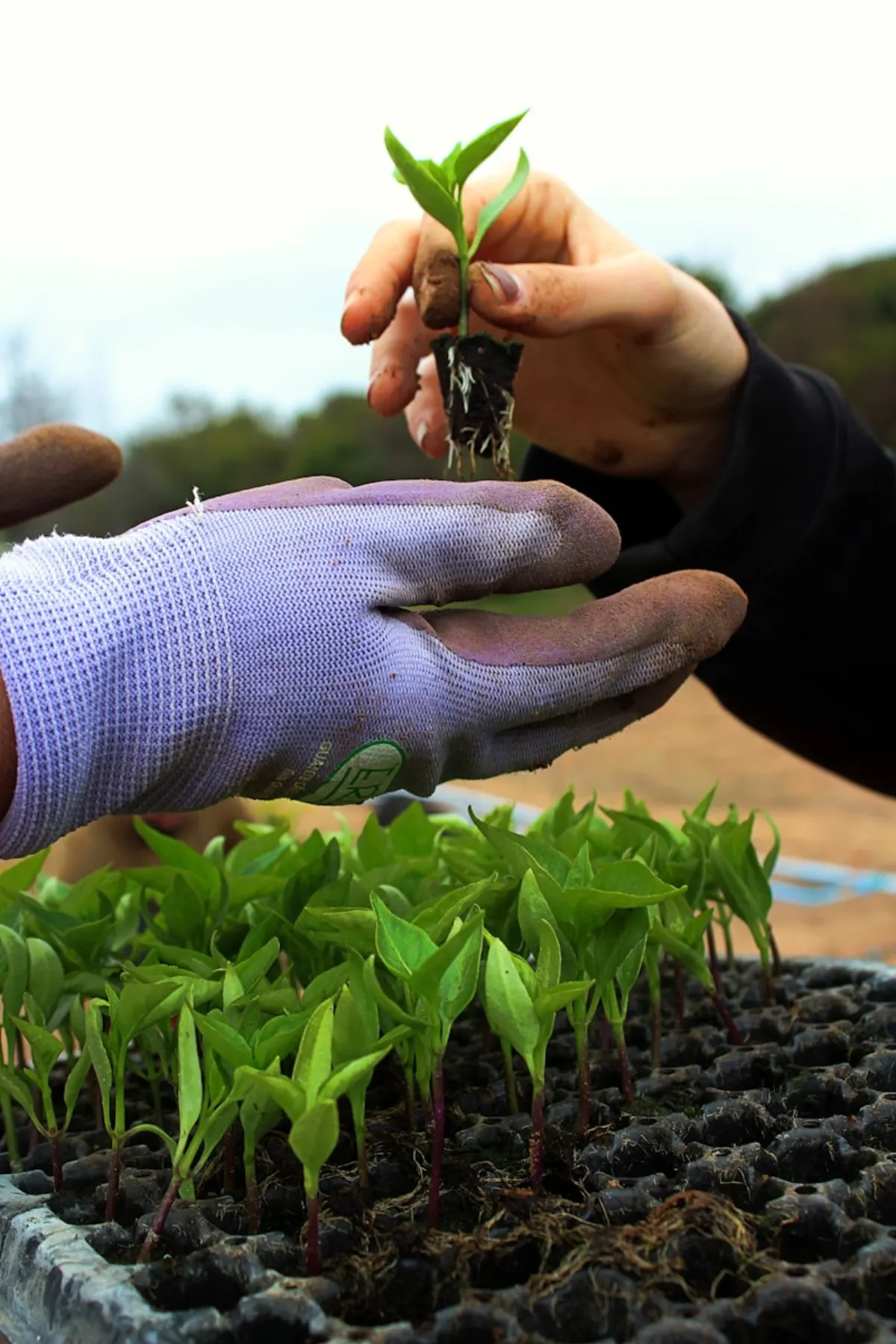
Low, frequent feeding
Feed seedlings at low concentration with every irrigation, rather than in occasional strong doses. A small volume of substrate holds little, so a strong dose quickly raises the salt level and can scorch the roots. Frequent, weak feeding keeps the root zone in a steady state, and it lets the seedling take up nutrients as it grows.
- Feed at low concentration with every irrigation, rather than in occasional strong doses.
- Monitor the electrical conductivity of the substrate regularly, and reduce the feed if it rises.
- Check the pH of the feed solution and of the drained water, and correct it if it drifts out of range.
- Reduce nitrogen in the final week before transplanting to harden the seedling.
The feed concentration should rise as the seedling grows. Early on, the plant needs very little, and a feed that is too strong damages the roots. As the leaves develop, the demand rises, and the concentration can be increased gradually. The grower should watch the colour, the leaf size and the stem thickness, and adjust the feed to match.
Light, temperature and humidity
Light, temperature and humidity change how the seedling uses the nutrients it receives. In low light, the plant grows slowly and takes up less, so the feed should be reduced. In high temperatures, the plant transpires quickly and takes up more water and nutrients, and the feed may need to be increased or the substrate watered more often. Humidity affects the leaf surface and the risk of disease, which in turn affects the plant's health.
Keep the nursery environment steady where possible. Large swings in temperature or humidity stress the seedling and disturb its uptake, which makes the feed programme less predictable. Ventilation, shading and heating are tools for smoothing the environment, and they should be part of the nursery plan.
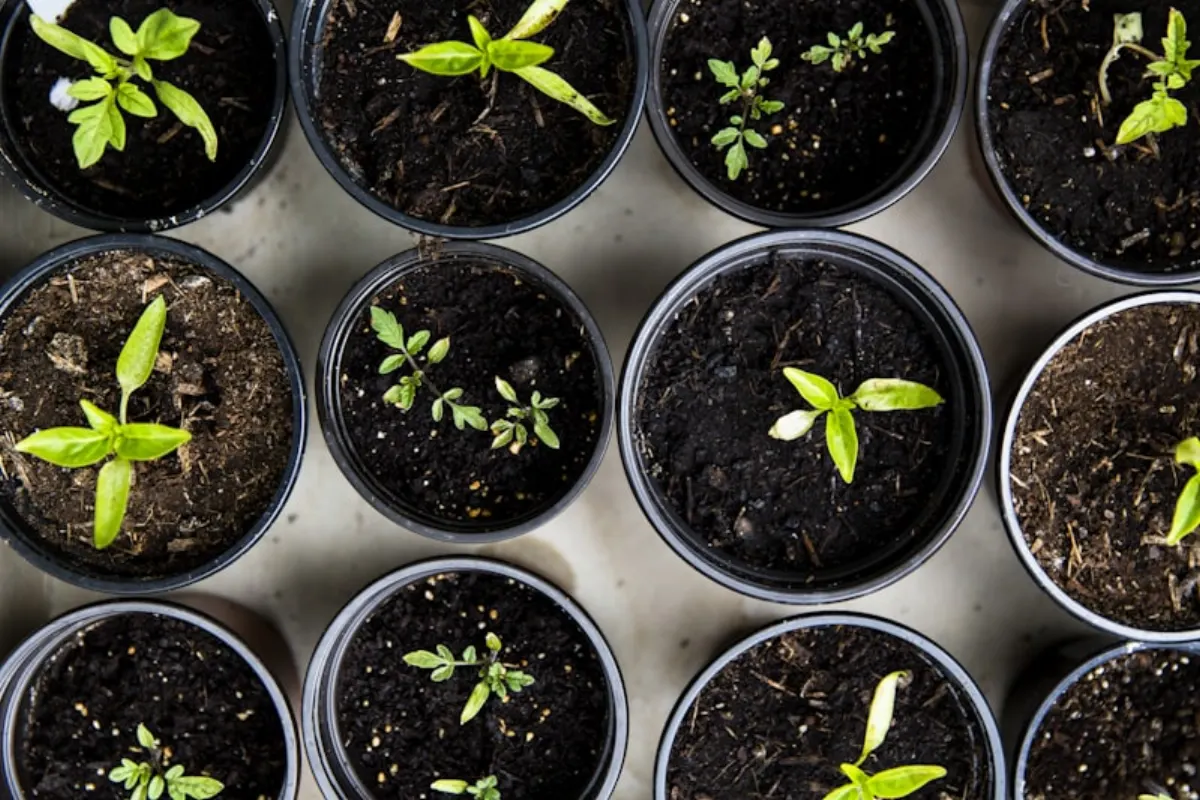
Hardening off and transplanting
Hardening off prepares the seedling for the field. In the last week or two before transplanting, the grower reduces the nitrogen, lowers the temperature slightly and increases the exposure to outdoor conditions. The plant becomes sturdier, with thicker stems and a waxy leaf surface, and it tolerates transplant shock better.
The transplant itself should be carried out in the early morning or late afternoon, with the root ball kept moist. Water the seedlings in well after transplanting, and check the feed in the new field soon after. A seedling that has been well fed in the nursery often needs only a small starter dose in the field, because the root system is already developed.
Recording the nursery programme
Record the substrate, the starter charge, the feed recipe, the electrical conductivity and the pH each week, along with the growth stage and the weather. A simple log shows whether the programme is right for the crop and the variety, and it can be reused next season. It also shows problems early, such as a rising salt level or a drifting pH, before they damage the crop.
Germination and the first leaves
The first days after sowing depend on moisture and temperature more than on feed. Keep the substrate evenly moist, but not saturated, until the seedlings emerge. Once the cotyledons open, the seedling starts to use the nutrients in the substrate, and the first feed can begin. Starting the feed too early, before the root system has grown, wastes product and raises the salt level in the small volume.
Check the emergence rate and the uniformity of the tray. A tray with patchy emergence often points to uneven sowing, poor seed quality or a substrate that dries unevenly, and these problems should be fixed before the feed programme is adjusted.
Seedling trays should be turned or moved regularly, so that edge effects, shading and drying do not produce plants of different sizes. Uniform seedlings transplant more evenly and give a more uniform crop.
Nursery hygiene and disease
Seedlings are very vulnerable to damping-off and other root diseases, especially in warm, wet conditions. Use clean trays and substrate, avoid over-watering, and keep air moving across the trays. A disease outbreak in the nursery can wipe out a whole batch, and nutrition cannot correct it.
Choosing seedling trays and containers
The tray size and the cell volume affect how much nutrient the seedling can draw on. Small cells hold less substrate and need more frequent feeding, while larger cells give more buffer but take longer to dry. Choose the cell size for the crop and the planned transplant age, and adjust the feed programme to match.
Using seedling data for the next season
A nursery log is most useful when it is reviewed at the end of each batch. Compare the seedling quality with the feed record and the transplant results in the field. The comparison shows which nursery practices gave the best transplants, and it provides a clear basis for the next season's plan.
Common questions
How often should I feed seedlings? Feed with each irrigation at a low concentration rather than in occasional strong doses. Check the electrical conductivity of the substrate regularly and adjust if it rises.
When should I stop feeding before transplanting? Reduce the nitrogen in the final week to harden the seedling. The exact timing depends on the crop and the transplant conditions, so follow the local nursery guide.
Why do seedlings grow tall and weak? Over-feeding, low light or high temperature can cause soft, elongated growth. Adjust the feed strength, increase light and check the temperature before adding more nutrient.
- Yara, public crop nutrition guidance for vegetable nurseries.
- Haifa Group, public crop nutrition resources for seedlings and transplants.
- University extension publications on nursery substrate, fertility and seedling quality.
- Nelson, P.V., Greenhouse Operation and Management (academic reference on substrate nutrition and seedling production).
Recommendations depend on local soil, climate and crop conditions. Follow the product label and local regulations, and consult a qualified agronomist for field decisions.