
Tropical fruit trees often flower and fruit on a seasonal cycle, and their nutrition after harvest determines how well they flower the next year. The recovery period is a practical window for replenishing reserves, and a grower who plans it well gives the tree the best start to the next season. In many tropical orchards this period is neglected, and the result is an uneven crop and a weak flush of flowers.
Tropical conditions add their own challenges. High rainfall leaches nutrients from the root zone, warm temperatures speed up decomposition of organic matter, and heavy rain can wash fertilizer off the surface. The nutrition plan must allow for these losses, and it should be split into several applications across the year rather than applied in one large dose.
After harvest
After harvest, the tree uses stored nutrients to produce new shoots and leaves. This new growth, called the flush, carries the tree into the next flowering, so the nutrition in this period matters greatly. Applying nitrogen and potassium soon after harvest supports the new canopy, while calcium supports the cell walls of the new growth and helps prevent weak shoots.
The timing should follow the tree's flush. Apply the recovery dose when new shoots begin to appear, not on a fixed calendar date, because the flush timing varies with the rainfall and the variety. Keep the soil moist during the flush, since drought stress stops the new growth and reduces the value of the fertilizer.
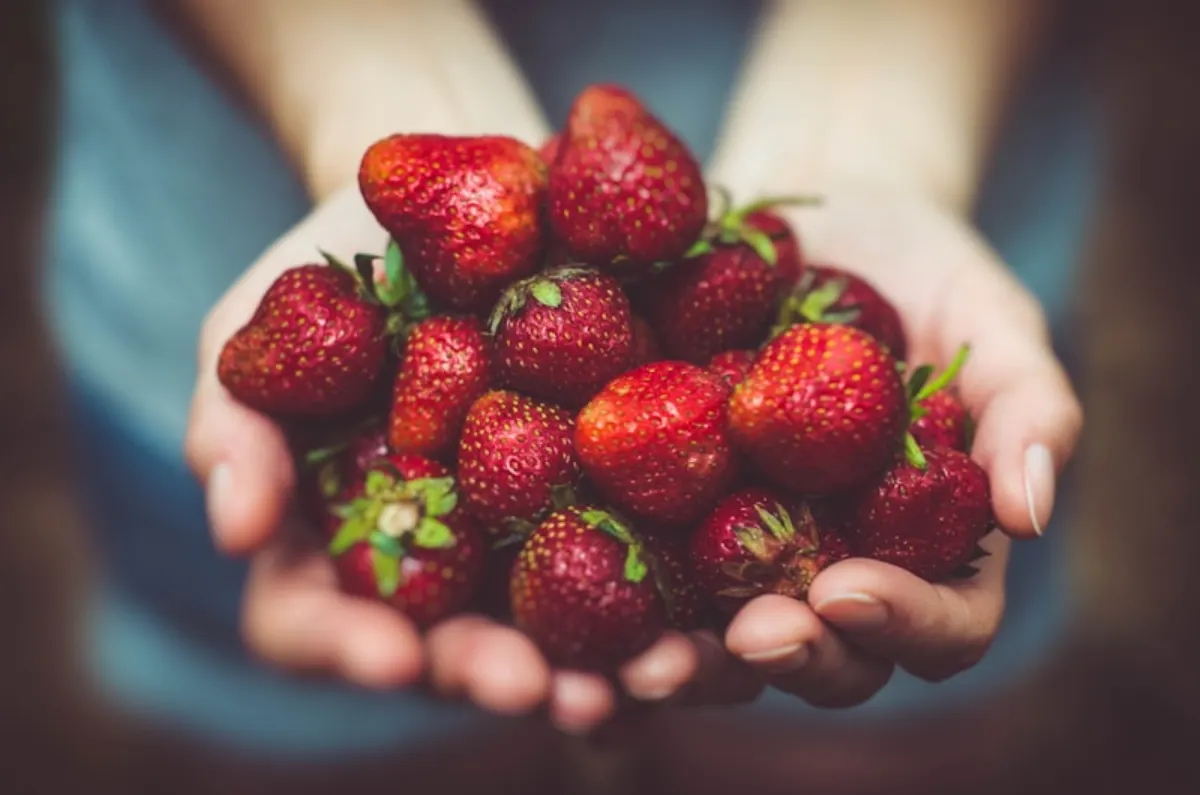
Potassium and calcium for fruit quality
Potassium supports sugar content, fruit size and colour. Calcium supports firmness, reduces some disorders and helps the fruit store well. Both should be supplied according to a soil and leaf test, and kept in balance with magnesium, since a high potassium supply can reduce the uptake of calcium and magnesium.
Calcium is often short in acid tropical soils, and it is poorly moved in the tree when the water supply is uneven. A foliar calcium spray can help the fruit in the period of rapid growth, but its effect is limited when the tree is short of water. Irrigation, mulching and organic matter all help calcium reach the fruit.
- Apply a recovery dose of nitrogen and potassium soon after harvest, timed to the start of the flush.
- Use foliar calcium or magnesium only if a leaf test confirms a shortage.
- Mulch and manage the canopy to reduce water stress during the recovery period.
- Keep the orchard floor covered, so that organic matter builds and nutrients are held in the root zone.
Water and mulching
Water is the main limit on tropical fruit trees in dry periods, and the nutrition plan depends on it. A tree that is short of water cannot take up the nutrients applied, and fertilizer on dry soil sits on the surface and is lost in the next rain. Irrigation during the recovery period and the flowering period makes the nutrition programme work.
Mulch conserves water, keeps the soil temperature steady and adds organic matter as it decomposes. Organic mulch, such as chopped prunings or grass, is useful, but it should be kept away from the trunk to avoid rot. The mulch also protects the soil from heavy rain, which reduces the loss of nutrients by runoff.
Managing the canopy and the crop load
A heavy crop removes large amounts of nutrients, and it also reduces the tree's reserves for the next flush. The recovery programme should scale with the yield. A light crop can be fed more lightly, while a heavy crop needs a fuller programme. Thinning the fruit to a sensible crop load protects the tree and makes the next season's flowering more reliable.
Pruning should open the canopy to light, remove dead and crossing branches, and keep the tree at a manageable height. A dense canopy shades the lower branches, reduces flowering, and creates a humid environment that favours disease. Pruning is therefore part of the nutrition plan, because it shapes the tree's ability to use the nutrients supplied.
Planning across the year
A tropical orchard plan usually covers the whole year. A common pattern is a recovery dose after harvest, a flowering support in the dry season, a fruit-growth dose during the rainy season, and a maintenance dose before the next harvest. The exact timing depends on the rainfall pattern and the variety, but splitting the programme across several applications is the principle.
Pest and disease pressure after harvest
The period after harvest is also when many pests and diseases are active in tropical orchards. Fruit flies, fungal infections on new shoots and sap-feeding insects can all damage the flush and reduce the tree's ability to use the nutrition programme. An integrated approach, with monitoring, hygiene and targeted sprays, protects the flush and the nutrients applied.
Remove fallen fruit and infected material from the orchard floor, since they carry pests and disease into the next season. Hygiene is a low-cost practice that supports both the nutrition plan and the health of the trees.
Soil acidity and tropical soils
Many tropical soils are acid, highly weathered and low in exchangeable calcium and magnesium. Lime or dolomite may be needed to raise the pH and supply those nutrients, and the lime requirement should be measured by a buffer test. Adding lime to an acid soil improves the availability of phosphorus and the root growth of the tree, and it can make the nutrition plan much more efficient.
Organic matter is also important in tropical soils, because it holds nutrients that would otherwise leach away in heavy rain. Mulching, cover crops and the return of prunings all help build the organic matter that supports the trees.
Matching the programme to tree age
Young trees need nutrition for growth of the canopy and the root system, while bearing trees need nutrition for fruit and for reserves. A young tree that is over-fed in the early years grows large canopy at the expense of structure, and a mature tree that is under-fed loses vigour. The programme should change as the tree moves from establishment to bearing.
Reviewing the year's results
At the end of the year, compare the flush, the flowering, the fruit set and the yield with the nutrition and the irrigation records. The review shows which part of the programme made the biggest difference, and it helps decide where to invest in the next season.
Common questions
Does harvest timing affect nutrition? Yes. A heavy crop removes more nutrients, so the recovery programme should scale with the yield. Light crops may need less.
Can I use the same plan for every orchard? No. Soil, rainfall, variety and tree age all change the plan. Use tissue and soil tests to adjust it for each block.
What about durian and mango differences? Durian and mango respond to the same general principles, but their flush timing, their sensitivity to calcium and their root systems differ. Adjust the recovery timing to each species and to local observation of the flush.
- Local tropical fruit research institute recommendations (current edition).
- International Plant Nutrition Institute (IPNI), fruit tree nutrition resources.
- Published research on postharvest nutrition in tropical fruit trees (academic literature).
- FAO, public materials on tropical fruit production and soil management.
Recommendations depend on local soil, climate and crop conditions. Follow the product label and local regulations, and consult a qualified agronomist for field decisions.