
Regulation (EU) 2019/1009 applies to fertilizers, soil improvers, growing media and biostimulants sold in the EU. It sets requirements for safety, labelling and the limits of contaminants, including cadmium in phosphate-based products. It replaces older national rules with a single framework, and it affects any company that wants to place a product on the EU market, whether the company is based inside or outside the EU.
The regulation is detailed, and the practical requirements depend on the product category. Some products carry a CE marking after a conformity assessment, while others must meet specific component and labelling rules. The legal text and its annexes define each category, and companies should read them carefully before deciding how a product fits.
What the regulation covers
- Conformity assessment and CE marking for many product categories, with rules on the documents that must be held.
- Limits for contaminants such as cadmium, arsenic, lead, mercury and some organic compounds, which vary by product category.
- Labelling and claims rules, including requirements for biostimulants and the description of their function.
- Requirements for manufacturers, importers and distributors, including who is responsible for the product in the supply chain.
Why cadmium limits matter
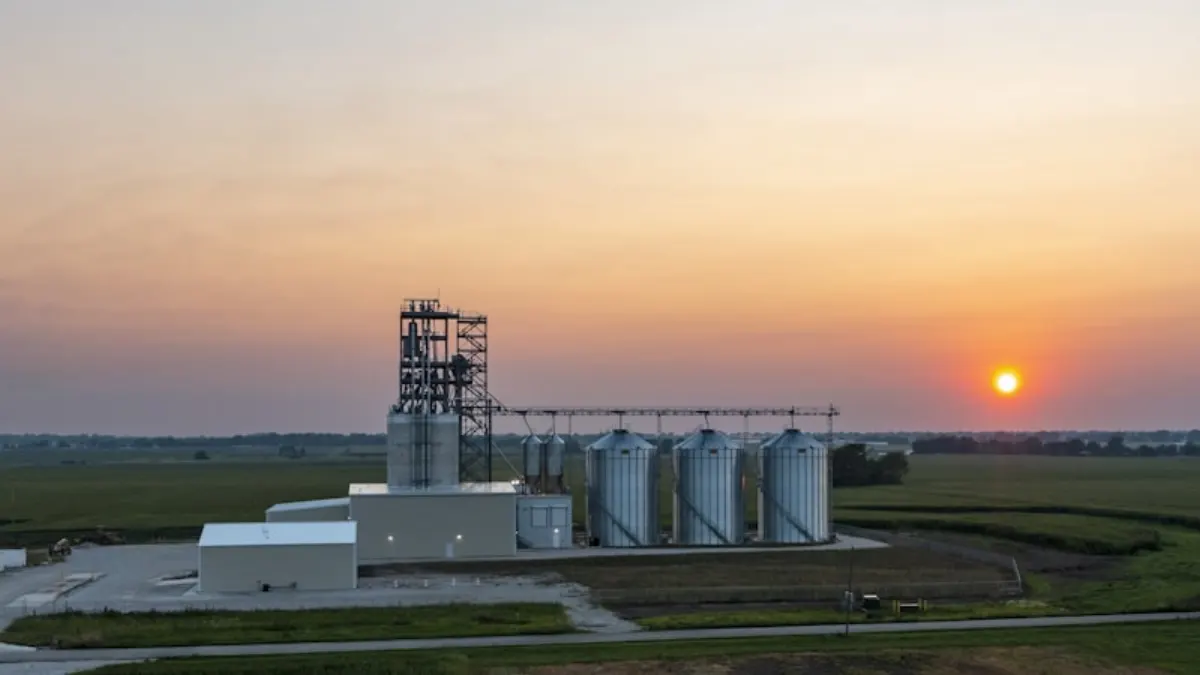
Cadmium occurs naturally in some phosphate rock, so phosphate fertilizers can carry it into soils and crops. Over time, cadmium can accumulate in the soil and then in crops and food. Limits on cadmium content therefore affect the choice of phosphate raw material, the processing methods and the quality control needed to meet market requirements. Phosphate producers have invested in methods to reduce cadmium, and buyers increasingly ask for test data on each batch.
For a grower, the important question is whether the fertilizer used on the farm meets the local rules, and whether the crop is sold into a market with strict limits. A buyer of phosphate for export crops may ask for a certificate of analysis, which should show the cadmium content and the testing method, along with the rest of the product's technical data.
What exporters should do
Exporters need product data that stands up to scrutiny: certificates of analysis, batch testing, and clear labelling in the required languages. Early review of the regulation's requirements reduces the risk of rejected shipments and product recalls. A well-kept technical file also makes it easier to respond to a regulator's request, which can arrive months or years after the product was sold.
- Map each product to its category under the regulation, and confirm the contaminant limits that apply.
- Keep batch test results and certificates of analysis for each shipment, and keep them for the period the regulation requires.
- Check the labelling requirements for each market, including the language and the claims, before the product is shipped.
- Assign responsibility for regulatory tracking inside the company, so that rule changes are noticed and acted on.
Claims and biostimulants
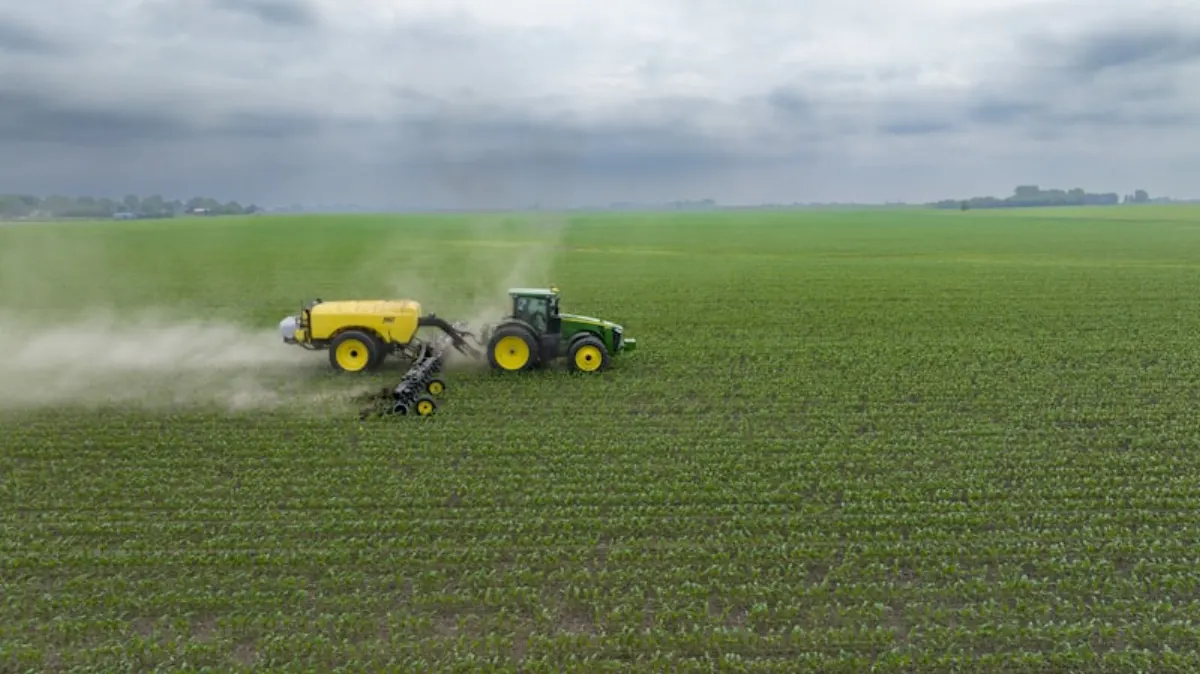
The regulation also sets rules for the claims made about a product. A biostimulant must be described in a way that matches its approved function, and a claim that implies a nutrient or crop protection effect may not be allowed. Marketing material, technical sheets and websites are all covered, so the same discipline applies across the whole communication.
Companies should keep a claims dossier for each product. The dossier lists each claim, the data that supports it, the study design and the regulatory status. A dossier makes it easier to answer questions from regulators, distributors and growers, and it reduces the risk that a claim will have to be withdrawn.
Practical steps for a compliance programme
A compliance programme does not need to be complicated, but it does need to be written down and followed. Start with an inventory of the products, their categories and the markets they are sold into. For each product, record the applicable limits, the test results, the conformity route and the labelling. Review the inventory each year, and whenever a product changes.
Train the staff who handle sales, marketing and customer questions. A sales representative who makes an unsupported claim can create a compliance problem, even when the product itself is compliant. A short training session each year, with examples of acceptable and unacceptable claims, reduces this risk considerably.
Keep a log of regulatory changes and of the actions taken in response. When a limit is reduced or a new labelling rule is introduced, the log shows when the company noticed the change, what it did and when the change took effect. This record is valuable if a regulator or a customer asks for evidence of diligence.
Recalls, complaints and corrective action
Even a well-run company can receive a complaint or find a problem in a batch. The regulation expects companies to act quickly when a product does not meet its requirements, which may mean withdrawing the product from the market, informing the authorities and the customers, and correcting the process that caused the problem. A written procedure for complaints and recalls, tested in advance, makes a real incident easier to manage.
Keep a record of every complaint, including the product, the batch, the customer and the action taken. Patterns in the complaints often reveal a process problem before it becomes a regulatory issue, and the record shows that the company is acting responsibly when it reviews its quality system.
Communicate clearly with distributors and growers. A short, factual notice that explains the product, the issue and the action required protects the customer and the brand, and it avoids the speculation that can follow an unexplained withdrawal.
Relevance to growers and buyers
Although the regulation falls mainly on manufacturers and importers, growers and buyers feel its effects. A product that does not meet the rules may be withdrawn from the market, and a supplier that cannot show compliance may lose its place in a buyer's supply chain. Growers who buy from compliant suppliers protect their own crops and their customers.
Buyers of export crops can also use the regulation's standards as a reference. Asking the supplier for the conformity documents and the test results for each batch is a reasonable request, and it signals that the buyer takes quality seriously.
Working with regulators
Regulators expect companies to be open about their products and their processes. A company that responds promptly to a request for information, provides complete technical files, and explains its testing methods builds trust that makes later inspections smoother. A defensive or delayed response tends to attract closer scrutiny.
Keep a named contact for regulatory matters, and make sure that person knows where the technical files are kept. When a request arrives, the response should be coordinated, consistent and supported by the evidence on file.
Common questions
Does the regulation apply to products made outside the EU? Yes, if the product is placed on the EU market. The importer or the manufacturer must meet the requirements, and the supply chain needs documents that show compliance.
Do growers need to do anything? Growers should buy from suppliers who can show compliance, keep the product labels and certificates, and follow the application rules. The main duties fall on manufacturers and importers.
How often are the limits reviewed? The limits and the annexes can be updated, and companies should monitor the official sources for changes. A compliance review each year is a good practice.
- Regulation (EU) 2019/1009 on fertilising products (official text, current consolidated version).
- European Commission, public guidance on the regulation.
- Read the current official text and annexes before relying on this summary.
- Industry association materials on conformity assessment for fertilizing products.
Recommendations depend on local soil, climate and crop conditions. Follow the product label and local regulations, and consult a qualified agronomist for field decisions.