
Fertilizer policy in China has focused on three goals: keeping domestic supply stable for farmers, reducing the overuse that has caused environmental problems, and improving the efficiency of nutrient use. Those goals affect production capacity, export arrangements, the types of products promoted and the way farmers are advised. For companies outside China, the policies determine when products are available, at what price and in what form.
The policies are not static. They respond to crop prices, to the balance of supply and demand at home, to environmental concerns and to food security priorities. A buyer who understands the reasons behind a policy change is better placed to judge how long it will last and how it will affect the market than one who reacts only to the headline.
Efficiency and zero-growth goals
Programmes aimed at zero growth in fertilizer use have encouraged the adoption of soil testing, formulated fertilizers, balanced application and efficient equipment. The intention is to hold total fertilizer use steady while raising the yield per unit of nutrient. These programmes shift demand toward products that match crop need, and that favours enhanced efficiency and specialty fertilizers, as well as soil testing services.
Efficiency targets also change the competitive position of products. A product that can show a clear improvement in nutrient use, supported by trial data, is more likely to be promoted through official extension channels than one that cannot. Companies that invest in local evidence therefore gain a practical advantage as well as a regulatory one.
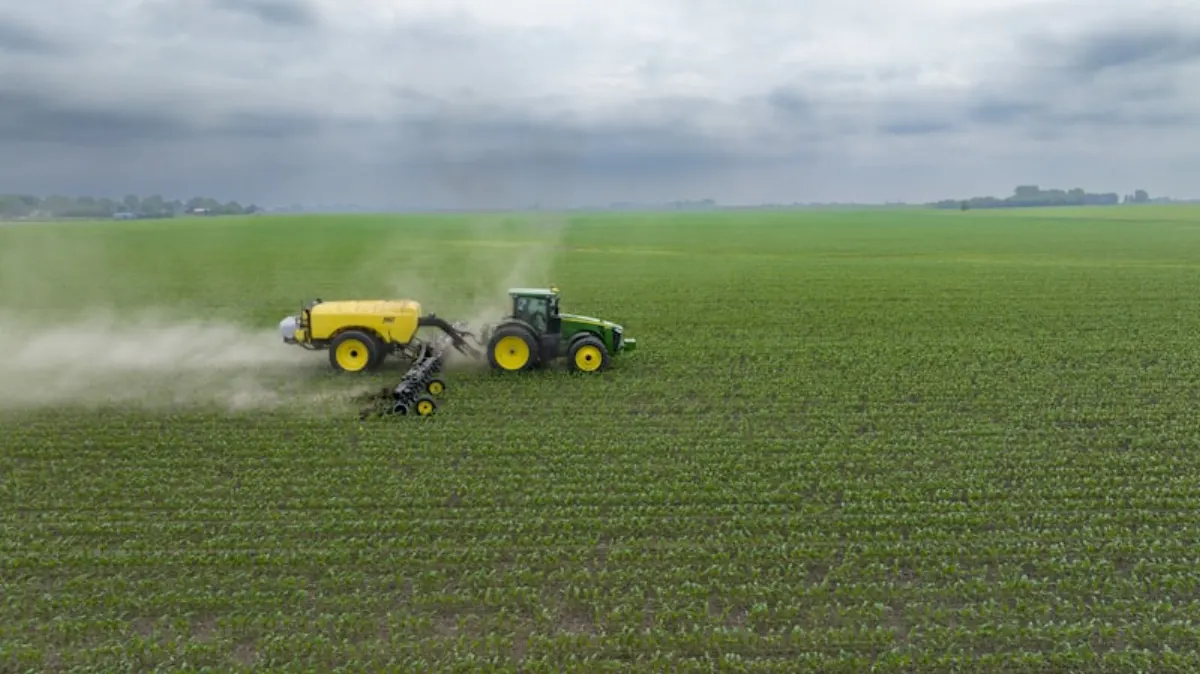
Production and capacity
Production capacity for nitrogen and phosphate has been a central part of the policy debate. Energy costs, environmental standards and the location of raw materials all influence where and when plants run. Changes in capacity can affect the global price of urea and phosphates, and they are often announced months before the product reaches the market.
Buyers should watch both the capacity announcements and the actual output. A plant that is announced but not running does not add supply, and a plant that runs below capacity because of an environmental order can change the balance quickly. The monthly production data and the reports of the industry association give a better picture than any single announcement.
Export management
Export controls and inspection rules are used to manage domestic supply. In some periods, exports are restricted or require approval, and in others they are open. For importers, the practical effect is that availability and timing can change with policy, so supply plans need flexibility and more than one source where possible.
- Track policy announcements that affect export volumes, quotas and timing.
- Build supply plans with more than one source, and keep a buffer stock where storage allows.
- Check the product specifications for each source, since grades and forms can differ.
- Favour products whose efficiency is supported by data, as efficiency targets reward them.
The timing of export decisions often follows the domestic planting season. Restrictions may be eased after the domestic season is secured, and tightened when domestic prices rise. A buyer who plans around these cycles can secure supply at a better price than one who buys in a hurry.
What it means for buyers
For buyers in Asia and beyond, the policies affect price, availability and the choice of product. The main steps are to follow the policy announcements, to understand their timing, and to build flexibility into the supply plan. Long-term relationships with reliable suppliers, and clear contracts that define volumes and grades, reduce the risk from sudden changes.
Reading the policy signals
Policy signals come in many forms: official notices, public statements, changes in the inspection regime, and shifts in the domestic price. A buyer who records these signals over time can see patterns, and can judge whether a change is temporary or lasting. The patterns are as useful as the individual announcements, because they show the direction of the policy.
Industry associations and trade analysts also publish interpretations. These are useful for context, but they should be checked against the official text, because the detail of a policy often matters more than the summary. A short note of the key dates and conditions, kept with the supply records, is a practical tool for any buyer.
Domestic prices and export timing
Domestic price levels are one of the strongest signals behind export decisions. When domestic prices rise sharply, policy tends to tighten exports to protect supply for farmers at home. When domestic prices are weak and stocks are high, exports are more likely to be encouraged. A buyer who tracks the domestic price trend alongside the official notices can anticipate changes that the headline announcements do not yet show.
Seasonal demand matters as well. Fertilizer demand peaks around planting, and policy decisions often try to secure supply for that period before exports are allowed. Buyers outside China can therefore expect the export window to open and close in a rhythm that follows the domestic calendar, and they should plan purchases with that rhythm in mind.
The effect on global prices is strongest for urea and phosphates, where China's production and exports are large. A tightening of export rules can lift prices in other regions within weeks, while a relaxation can ease them. Buyers should therefore look at the global price as well as the local one when deciding whether to buy now or later.
Common questions
Will policy changes last? Some changes are temporary responses to domestic conditions, while others reflect a longer shift in strategy. The official texts and the stated goals help distinguish between them.
How should a buyer prepare? Keep supply sources diversified, record the policy dates, and build contract terms that allow for changes in volume and timing without a dispute.
Does this affect prices outside China? Yes. China's production and export decisions influence global prices, particularly for urea and phosphates, so buyers in other regions often feel the effect of a policy change within weeks.
- Public policy documents issued by China's ministries on fertilizer use, production and export (current editions; verify dates and titles before publication).
- International Fertilizer Association (IFA), market and policy reports.
- FAO, public materials on fertilizer policy and food security.
- Published academic reviews on China's fertilizer use efficiency and policy (academic literature).
Recommendations depend on local soil, climate and crop conditions. Follow the product label and local regulations, and consult a qualified agronomist for field decisions.