
When urea is applied to the soil surface, the urease enzyme in soil and crop residue converts it to ammonium carbonate. That reaction raises the pH at the surface, and some of the nitrogen then escapes as ammonia gas. The losses are highest when the soil is warm, moist and not covered by rain or irrigation soon after application. In many cropping systems, ammonia loss from surface-applied urea is one of the largest and most avoidable sources of nitrogen waste.
The problem is not new, but its importance has grown. Many systems have moved toward reduced tillage, leaving residue on the surface and placing fertilizer on top of the soil rather than incorporating it. These practices protect the soil, but they leave urea exposed to conditions that favour volatilization. A urease inhibitor is one of the tools that allows growers to keep those benefits while limiting the nitrogen loss.
What the enzyme does
Urease is naturally present in most soils and in the residues of many crops. Once urea touches the soil, urease starts hydrolysis quickly, often within a day or two in warm conditions. The enzyme breaks urea into ammonia and carbon dioxide, and the ammonia combines with water to form ammonium, which raises the pH around each granule. At higher pH, a larger share of the ammonium is converted to ammonia gas, which can escape to the air.
Ammonium that remains in the soil is retained on exchange sites and can be converted to nitrate later, when the crop can use it. The ammonia that escapes is a true loss: it leaves the field, and the nitrogen is no longer available to the crop. The amount lost depends on soil type, temperature, moisture, the amount of residue, and how quickly rain or irrigation moves the urea into the soil. In dry, warm, windy conditions the losses can be large.
How NBPT works
NBPT, short for N-(n-butyl) thiophosphoric triamide, is a urease inhibitor. It binds to the active site of the urease enzyme and slows its action for a period after application. During this period, more of the urea can move into the soil with rain or irrigation before it is converted, which reduces the surface pH rise and the ammonia loss. NBPT does not stop the urea from reaching the crop; it delays the conversion step during which the losses occur.
The protection is temporary. Over time the NBPT breaks down, and the urease activity returns. The length of the protection period depends on temperature, moisture and the soil's microbial activity, so the same product can give a longer or shorter window in different conditions. Growers should therefore plan the application around the expected weather, rather than assume a fixed period of protection.
When to use an inhibitor
- Surface-applied urea on warm, dry or windy days, when no rain is expected within a few days.
- Pasture, no-till and minimum-tillage systems where the fertilizer stays on the surface.
- Fields where previous losses have reduced the nitrogen response or where tissue tests show nitrogen shortage despite an adequate rate.
- Crops with a high nitrogen demand where any loss has a large effect on yield, such as irrigated cereals and high-value vegetables.
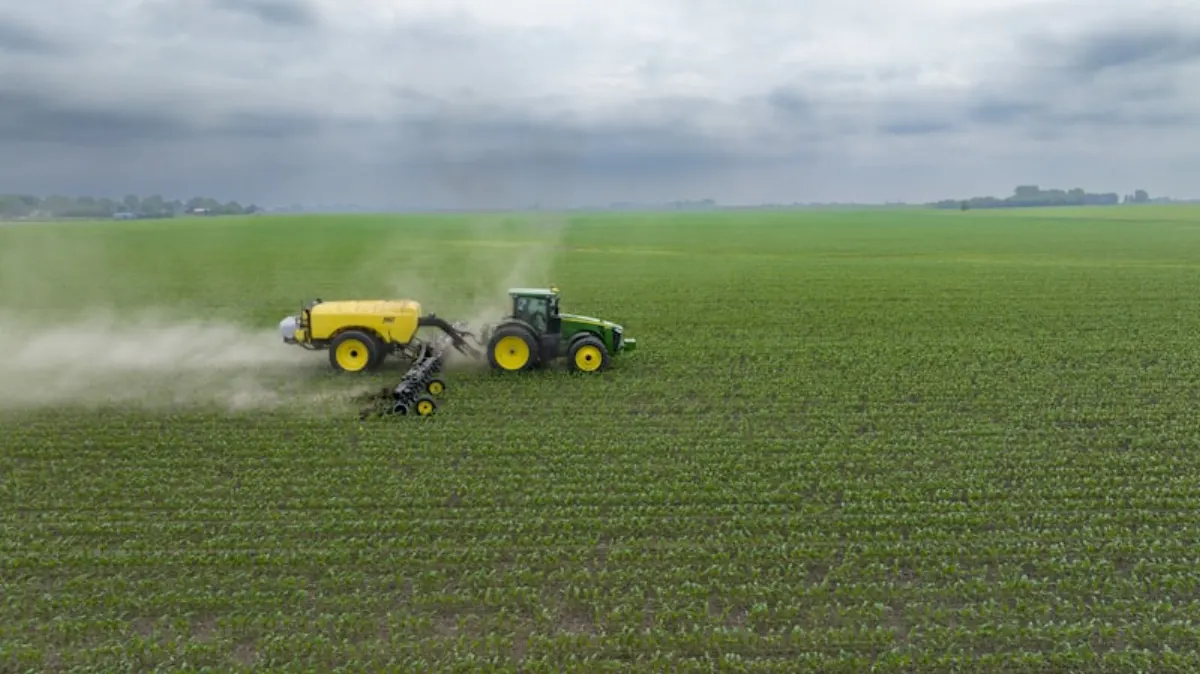
Inhibitors are less useful when the urea is incorporated soon after application, or when heavy rain is forecast within a day or two. In those cases the loss risk is already low, and the cost of the inhibitor may not be justified. A simple decision rule is to consider the inhibitor when the surface will stay dry for several days after application, and to skip it when rain or incorporation is certain.
Timing and limits
The inhibitor's protection is time-limited, and it works best when rain or irrigation moves the urea into the soil within the protection window. If the field stays dry for longer, the protection may run out before the urea is incorporated, and the losses can still occur. Incorporating the fertilizer, or irrigating soon after application, is the best way to reduce losses regardless of the product used.
Growers should also note that an inhibitor does not change the amount of nitrogen the crop needs. If the rate is too high, the surplus can still be lost by leaching or denitrification later in the season. The inhibitor reduces one loss pathway, but it is part of a sound nitrogen plan, not a substitute for it.
Making the decision on the farm
To decide whether an inhibitor is worth using, compare the value of the nitrogen it protects with its cost. A simple estimate starts with the expected loss from surface urea under the local conditions, the nitrogen content of the urea, and the value of the crop response. If the value of the nitrogen saved is greater than the cost of the inhibitor, the product is likely to pay.
A trial on the farm gives the best answer. Compare urea alone and urea with the inhibitor on the same field, using replicated plots, and measure the crop nitrogen uptake or the yield. A single season gives an indication, and two seasons give a more reliable answer, because rainfall after application varies greatly from year to year.
Weather and application timing
The weather in the days after application decides how much of the urea is lost. Warm, dry and windy conditions favour ammonia loss, while a moderate rain of ten to fifteen millimetres within a few days moves the urea into the soil and largely removes the risk. Growers can use the local forecast to choose the application day, and they should avoid applying surface urea just before a dry, windy spell.
Soil moisture at application also matters. Moist soil dissolves the granules and carries the urea into the soil, but very wet soil may lead to runoff, which carries the nitrogen into drains and watercourses. The best conditions are a moist surface that is expected to receive rain or irrigation soon after application, without a risk of heavy runoff.
Record the weather for each application, including temperature, wind, rainfall and soil moisture. Over several seasons, the record shows how the product performs in the conditions typical of the farm, and it helps the grower set the rules for when to apply, when to incorporate and when to delay.
Comparing products fairly
When comparing a urease inhibitor with another product, use the same urea rate, the same placement, the same date and the same field. Measure the crop response at a set stage, and where possible measure the nitrogen in the crop. Differences in yield that are smaller than the normal variation within the field are not reliable, so replicate the trial and look at the average of several plots.
Ask the supplier for the technical data, including the protection period under standard conditions and the source of the data. A claim based on a single laboratory study is less useful than one based on several field trials in different seasons, because field conditions differ greatly from the laboratory.
Common questions
Does the inhibitor change the crop's nitrogen need? No. It protects the nitrogen that is already applied. The crop's total requirement is set by the yield target and the soil supply, and the rate should be planned on that basis.
Can I use the inhibitor with other nitrogen sources? Check the label. The inhibitor is designed for urea-based products, and its use with other sources depends on the formulation and the regulations that apply in your market.
Is the inhibitor safe for the soil? Products are assessed for their environmental profile before they are sold, and the approved use follows the label. Follow the rate and the application guidance, and keep the product away from drains and watercourses.
- IFDC, public materials on urea volatilization and urease inhibitors (4R Nutrient Stewardship literature).
- Watson, C.J., published research on NBPT and urease inhibitor performance under surface application conditions (academic literature).
- International Fertilizer Association (IFA), Fertilizer 101 educational series on nitrogen losses and enhanced efficiency.
- Kingenta internal trial and product data for YouSafe Force (to be confirmed before publication).
Recommendations depend on local soil, climate and crop conditions. Follow the product label and local regulations, and consult a qualified agronomist for field decisions.