
A teaspoon of healthy soil contains a vast number of organisms, and most of them are bacteria and fungi. Other groups include protozoa, nematodes, mites, insects and earthworms. Together they form a food web that decomposes organic matter, releases nutrients, builds soil structure and forms partnerships with plant roots. The health of this community shapes the crop's supply of nutrients as much as the fertilizer does.
Soil biology is also sensitive to management. Tillage, bare fallows, heavy fertilization, pesticides and compaction can all reduce the number and the diversity of organisms, while residues, cover crops, organic inputs and rotation support them. A grower who manages the biology well gets more value from the fertilizer, and from the soil's own supply, than one who ignores it.
Nitrogen cycling
Soil bacteria convert organic nitrogen to ammonium through mineralization, and other bacteria convert ammonium to nitrite and then to nitrate through nitrification. Some bacteria return nitrogen to the air through denitrification, particularly in waterlogged soils. These processes are the reason fertilizer nitrogen does not stay in the soil unchanged, and they are the reason a nitrification inhibitor can change the outcome of an application.
Nitrogen fixation by free-living and symbiotic bacteria also adds nitrogen to the soil. Legumes host rhizobia in their nodules, as described in the legume article, and some free-living bacteria fix small amounts of nitrogen in the soil. Organic inputs that carry these bacteria, such as residues and compost, can support the process.
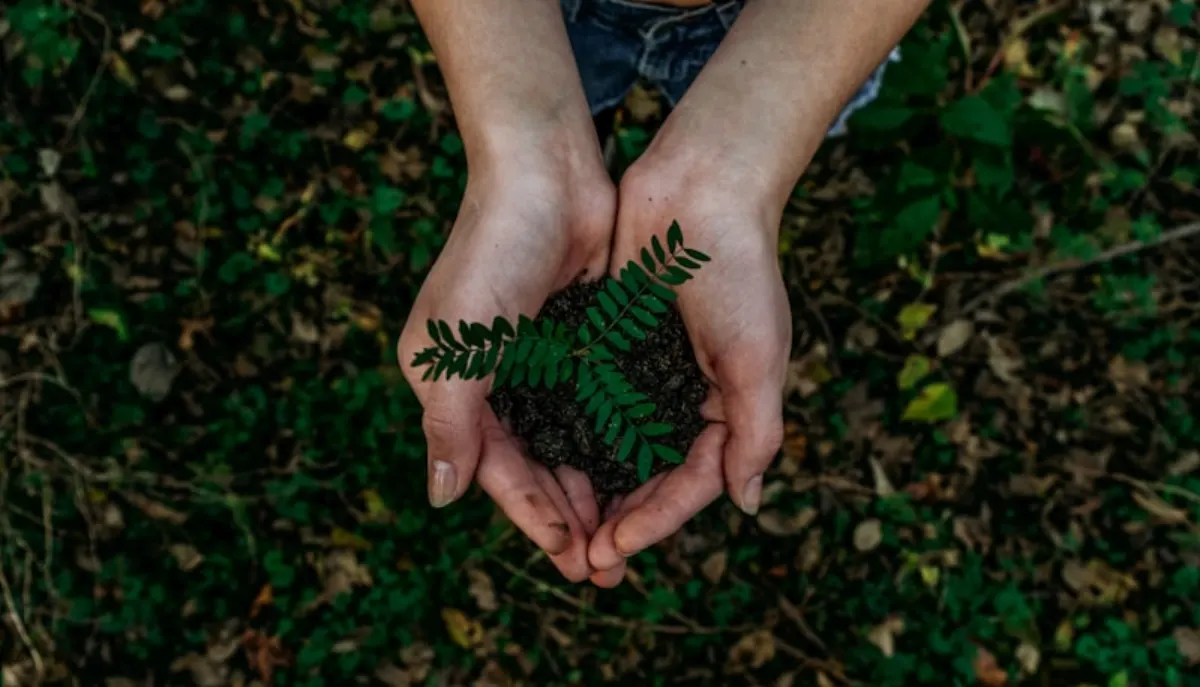
Mycorrhizal fungi
Mycorrhizal fungi extend the root system with fine threads, called hyphae, that reach soil pores the roots cannot enter. They help plants take up phosphorus and some micronutrients, and in return they receive sugars from the plant. Their activity depends on soil disturbance, phosphorus levels and the crop host. Heavy tillage and high phosphorus fertilization can reduce the fungi's contribution, while reduced tillage and a moderate phosphorus supply can support them.
Not all crops form mycorrhizal partnerships to the same degree. Some crops, such as many brassicas, form few, while cereals, legumes and many fruit trees form them readily. The value of the partnership is greatest where phosphorus is moderately available, but not in excess, and where the soil is well structured.
Organic matter, residues and biology
Organic matter is the main food source for the soil food web. Crop residues, manures, composts and cover crops feed the bacteria and fungi, and their decomposition releases nutrients slowly. A soil with a steady supply of organic inputs has a larger and more diverse community than one that is cropped with no inputs and frequent tillage.
- Keep the soil covered with residue or a living cover, so that the food supply and the moisture are steady.
- Add organic inputs such as manure and compost, with their nutrient content credited in the plan.
- Reduce tillage where the crop and the system allow, to protect fungal networks and soil aggregates.
- Rotate crops, so that the food web is supplied with different root exudates and residues each season.
Managing soil biology in practice
Avoid long bare periods, which starve the soil community of food and expose it to drying and heating. Keep the soil moist but not waterlogged, because the organisms need oxygen as well as moisture. Use pesticides only where they are needed, and choose products with a lower impact on non-target organisms where alternatives exist.
When applying biological products, follow the label and use a trial with a comparison plot. Microbial activity depends on moisture, temperature and the existing soil community, so the same product can give different results in different fields. A product that fails to establish may simply be outcompeted by the native community, which is itself a sign of a healthy soil.
Soil biology and the fertilizer plan
The fertilizer plan should take the soil biology into account. Organic matter supplies some nitrogen through mineralization, so a soil with a strong biology may need less mineral nitrogen. Soils with a low biology may respond poorly to fertilizer, because the nutrients are not cycled as efficiently. A soil test for organic matter, combined with the management record, helps set the balance.
Biological activity also affects phosphorus. Microbes release phosphorus from organic compounds and help make it available to roots. A grower who builds biology may find that the soil supplies more phosphorus than the test suggests, which is one reason why the trend in the soil test matters more than a single reading.
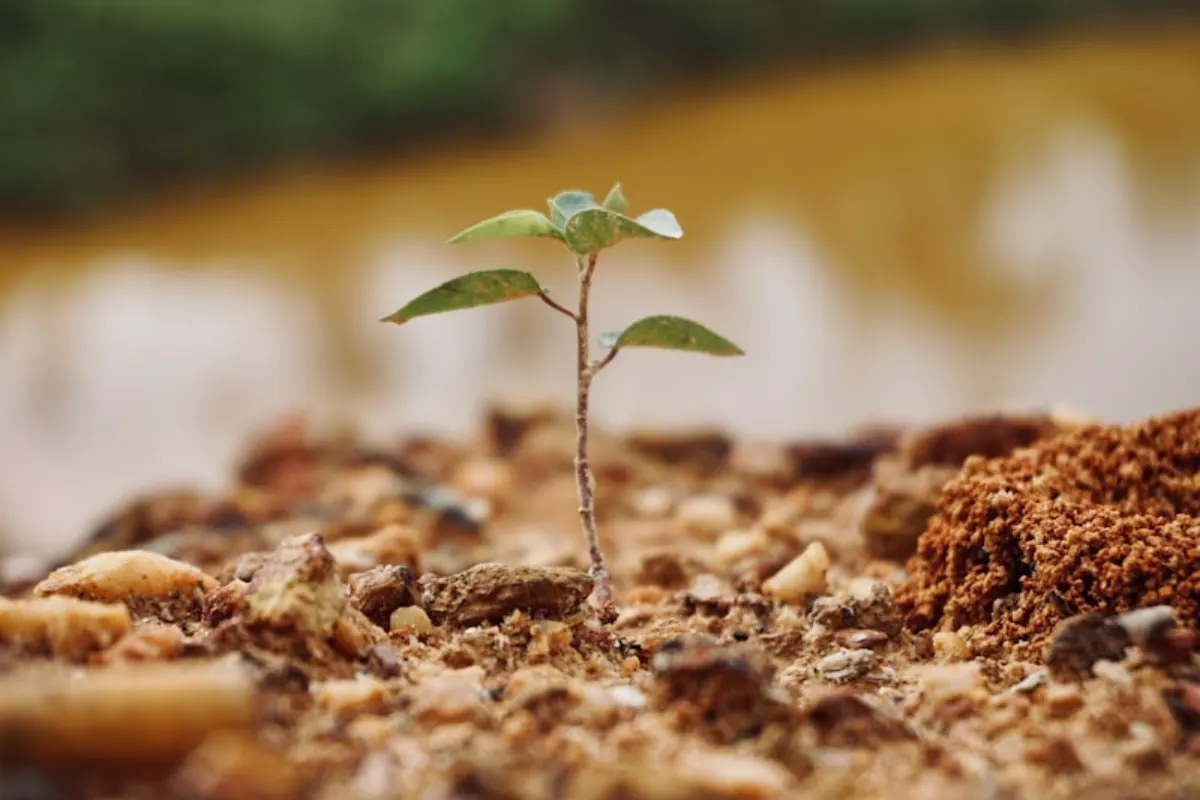
Measuring soil biology
Some laboratories offer measures of microbial biomass, active carbon, respiration or enzyme activity. These measures show whether the soil community is active, and they can track the effect of management over several years. They are not yet a standard for fertilizer decisions, so they should be used to support the basic soil test, not replace it.
Simple field observations also tell a story. Earthworms, root channels, a sweet earthy smell and crumbly structure all suggest an active biology. A soil that is grey, compacted and smelly, or that has no visible life, needs attention to its organic matter and its management.
Soil acidity, salinity and the microbial community
Extreme soil pH and high salt levels reduce the diversity of the soil community. Acid soils favour fungi over bacteria, and high salinity limits many groups of organisms. A grower who corrects pH and manages salinity is also supporting the soil community, so these practices should be part of the biology programme.
Heavy metal contamination and some pesticide residues also reduce the activity of soil organisms. Keep the soil free from contamination, and choose products with a lower impact on the soil community where alternatives exist.
Common questions
Can I buy soil microbes? Microbial products are available, but their effect depends on the soil, climate and management. The existing community often matters more than an added product, and management that supports the native community is usually the better investment.
Does tillage always harm soil biology? Frequent or deep tillage tends to reduce the community and its diversity over time. Some tillage may still be needed for seedbed preparation, so the aim is to reduce it where the crop allows.
How long does it take to change soil biology? Some changes, such as increased activity after residue return, can be seen within a season. A more diverse and stable community takes several years of consistent management.
- FAO, public materials on soil biodiversity and the soil biodiversity atlas.
- Soil Health Institute, public materials on soil biology and soil health indicators.
- Published reviews on microbial nitrogen cycling and mycorrhizal fungi (academic literature).
- Wall, D.H. et al., Soil Ecology and Ecosystem Services (academic reference on the soil food web).
Recommendations depend on local soil, climate and crop conditions. Follow the product label and local regulations, and consult a qualified agronomist for field decisions.