
Salinity is the concentration of soluble salts in the soil solution. Crops take up water through osmosis, so high salt levels make it harder for roots to draw water, even when the soil looks wet. A crop growing in a saline soil can show wilting, leaf burn and reduced growth, and these symptoms are often mistaken for drought or disease.
Salinity is a natural feature of many soils in dry regions, where rainfall is not enough to leach salts downward. It is also created by irrigation, when the water carries salts into the soil and evaporation leaves them behind. In greenhouses and other protected systems, the problem is more intense, because rainfall does not wash the salts out, and the fertilizer and irrigation water add to the load every season.
Why greenhouses are at risk
In protected crops, water and nutrients are applied in the root zone through drip or flood systems, but there is no natural rainfall to leach the salts. Evaporation and transpiration remove the water and leave the salts behind. Over several seasons the salt concentration rises, a process called secondary salinization. The effect is most visible in the top layer of the root zone, where the salts accumulate.
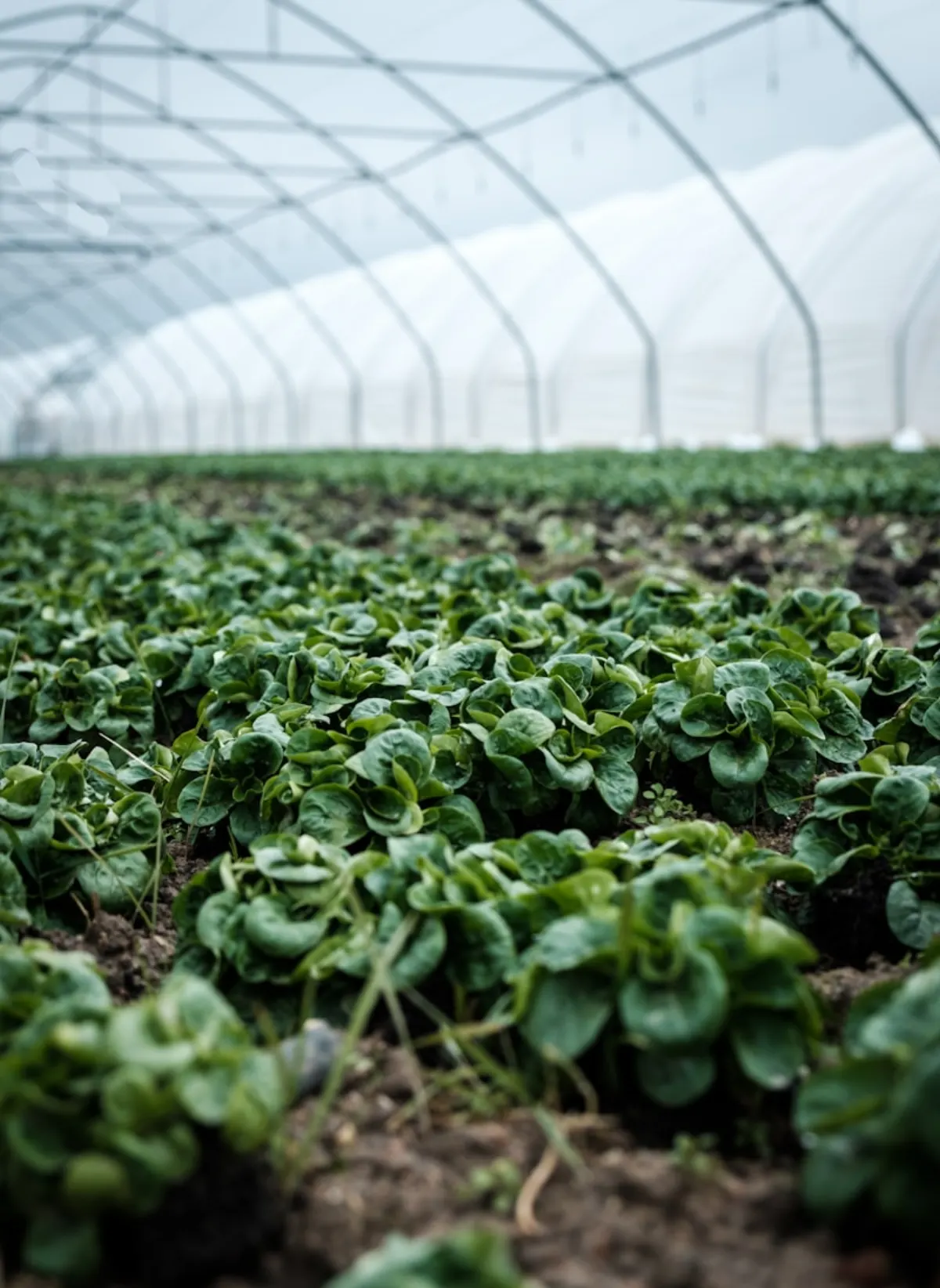
Fertilizer choice affects the salt load. Each fertilizer has a salt index, which indicates how much it raises the salt concentration relative to a reference. Products with a high salt index add more salt per unit of nutrient, and they should be used with care on soils that are already saline. Water quality matters just as much, because the irrigation water carries its own salts into the root zone every time it is applied.
Indicators to watch
- Electrical conductivity of the soil or substrate, measured from a saturated paste or a water extract.
- Leaf margin burn and wilting during warm periods, even with moist soil.
- Lower yield and smaller fruit, despite an adequate nutrient supply.
- A white or crusted salt layer on the surface of the soil or the pots.
Electrical conductivity is the most useful single measure, because it responds to the total salt concentration. The laboratory measurement should be taken at a standard moisture level, and the result should be compared with the threshold for the crop. Crops differ greatly in their salt tolerance, so the threshold for a tolerant crop may be much higher than for a sensitive one.
Managing salinity
The first step is to choose low-salt fertilizers and irrigation water where possible. Test the water for electrical conductivity and for the individual ions that cause problems, such as sodium and chloride. Where the water is high in salts, consider a different source, or blend it with a lower-salt water if one is available.
Leaching is the second step. Applying extra water beyond the crop's needs moves salts below the root zone, provided that the soil drains well. Leaching must be planned around the water supply and the drainage, because a large leaching event on a poorly drained soil can waterlog the crop and make the salt problem worse. In greenhouses, leaching is often done between crops, when the crop is removed and the soil can be flushed.
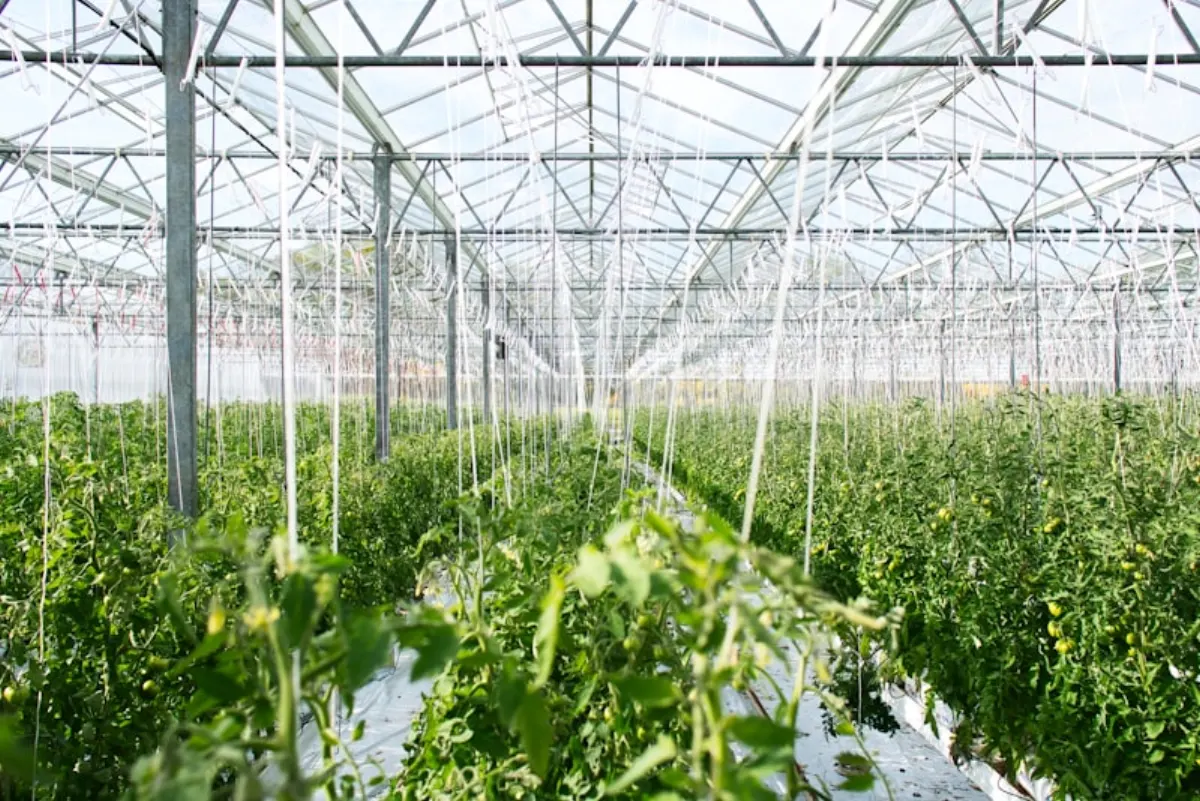
Avoid over-fertilizing. A feed concentration that is higher than the crop needs adds salt without adding yield. Monitor the drainage solution, and reduce the feed concentration if the drainage is much richer in salts than the feed. A well-managed feed programme keeps the salt load in balance with the crop's uptake.
Monitoring and planning
Measure electrical conductivity at the start of each season, after any change in the water source, and at least once during the crop cycle. Note whether the reading rises between irrigations, because a fast rise shows that the salt is concentrating rapidly, which calls for a change in the irrigation schedule or the feed. Keep the readings in a simple log, so that the trend is visible over several seasons.
Plan drainage as part of the greenhouse or field design. Good drainage allows salts to move out of the root zone, while poor drainage traps them. A drainage problem may need a physical correction, such as a drain or a raised bed, before any change to the fertilizer programme can solve the salinity problem.
When salinity is already a problem
If the soil is already saline, a combined approach works best. Leach the root zone when water and drainage allow, reduce the fertilizer load, choose crops that tolerate the salt level, and test the soil again after leaching to measure the effect. Recovery can take several seasons, so the aim is steady improvement rather than an immediate result.
Salt-tolerant crops and rotation
Where the soil salt level cannot be brought down enough for a sensitive crop, a salt-tolerant crop may be the practical choice. Crops differ greatly in their tolerance, and the threshold for barley or sugar beet is much higher than for beans or many vegetables. Choosing a tolerant crop for the saline part of the field can keep it productive while the salt is managed.
Rotation also helps. Some crops take up more water and salt from the root zone than others, and a well-planned rotation can reduce the build-up in the upper layer. Work with the adviser to plan the rotation for the salt status of each field, and record the crop and the salinity reading each season.
Salinity is easier to prevent than to correct. A grower who monitors the salt level early, when the reading first starts to rise, can make small changes to the irrigation and the feed. Waiting until the crop is visibly damaged means the correction takes several seasons and costs much more.
Working with the water supply
Irrigation scheduling changes the salt balance. Applying water in small, frequent amounts can keep the top layer wet and concentrate salt near the surface, while larger, less frequent irrigations move salt deeper. The schedule should be matched to the crop and the soil, and checked against the salinity readings from the root zone.
Where the water supply is limited, the grower may need to decide how much salt the crop can tolerate. Discuss the options with the adviser, including blending water sources, adjusting the crop and planning the leaching. The decision is a balance between yield, water cost and long-term soil condition.
Keeping a long-term view
Salinity problems rarely appear and disappear in a single season. They build over years, and they recover over years. A record that runs for five or more seasons, with the water quality, the fertilizer, the leaching events and the crop yields, is the most useful tool for deciding whether the management is working.
Share the record with the adviser each year. A trend that is slowly rising, even while the crop looks normal, is a signal to act before the yield falls, and the adviser can help set the thresholds that trigger a change in the programme.
Common questions
Can salinity be fixed quickly? Leaching can lower salt levels, but it needs water and good drainage. Plan the work over the season rather than expecting an immediate change, and test the soil after each leaching event.
Are all fertilizers the same for salinity? No. Fertilizers differ in the salt index they add to the soil. Choose lower-salt products where the soil is already high in salts, and check the salt index in the technical data.
What is a safe level? The safe level depends on the crop and the soil type. Use the local recommendation for the crop and compare the result with your own yield records, because the response to salt is not always the same from one crop to the next.
- FAO, Global Soil Partnership and materials on salt-affected soils.
- Yara, public guidance on salinity in protected cultivation.
- University extension publications on electrical conductivity of irrigation water and soil.
- Rhoades, J.D. et al., published work on soil salinity assessment and management (academic literature).
Recommendations depend on local soil, climate and crop conditions. Follow the product label and local regulations, and consult a qualified agronomist for field decisions.